Expert Tips for Effective Hedge Reduction: Achieving a Perfect Garden Aesthetic
Understanding Hedge Reduction
Hedge reduction is a vital aspect of garden maintenance, essential for promoting healthy growth and enhancing the aesthetic appeal of your outdoor space. It involves trimming back overgrown hedges to maintain their size and shape, ensuring they complement your garden's design. Proper hedge reduction not only improves the hedge's appearance but also encourages new growth and improves air circulation within the plant.
Choosing the Right Tools
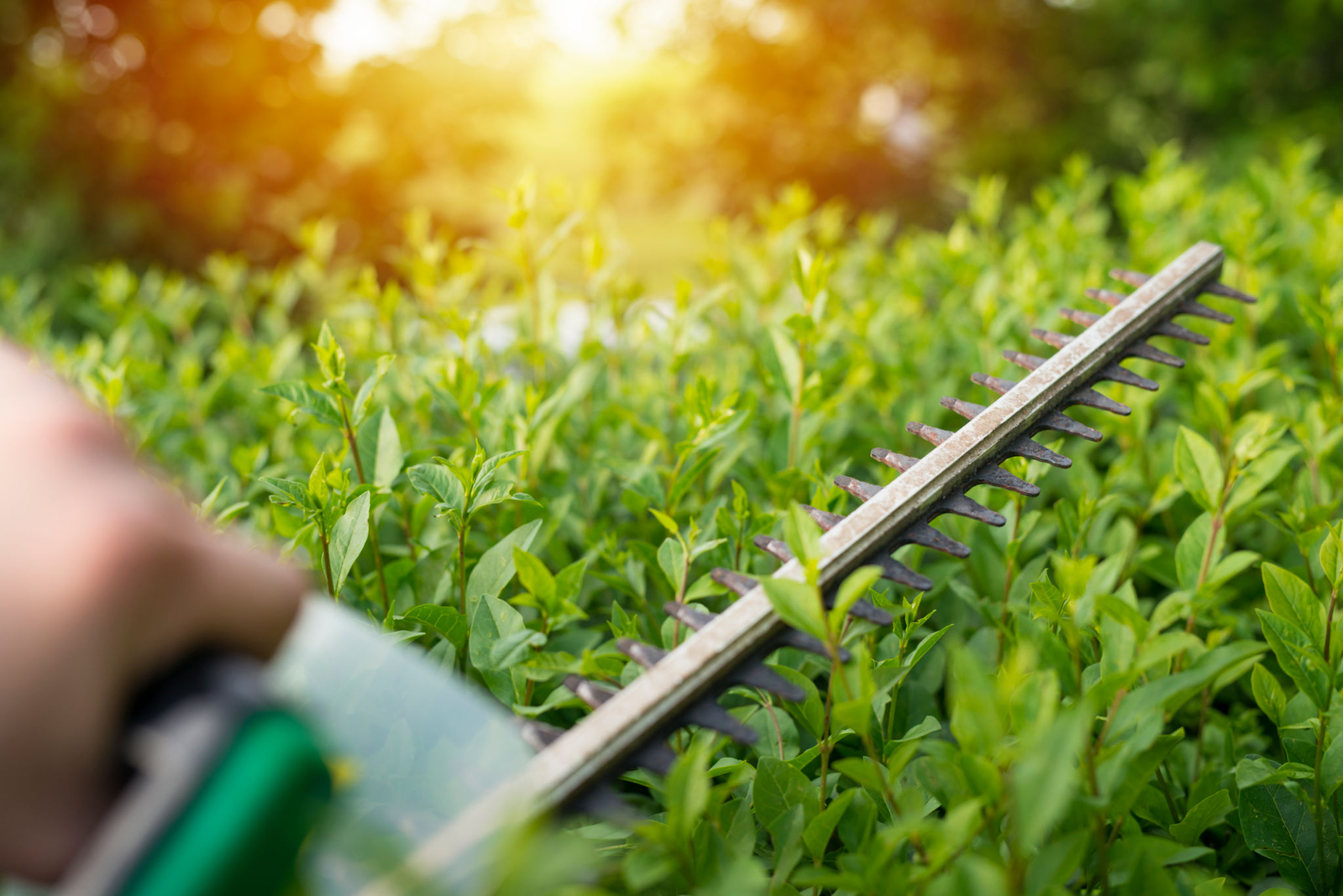
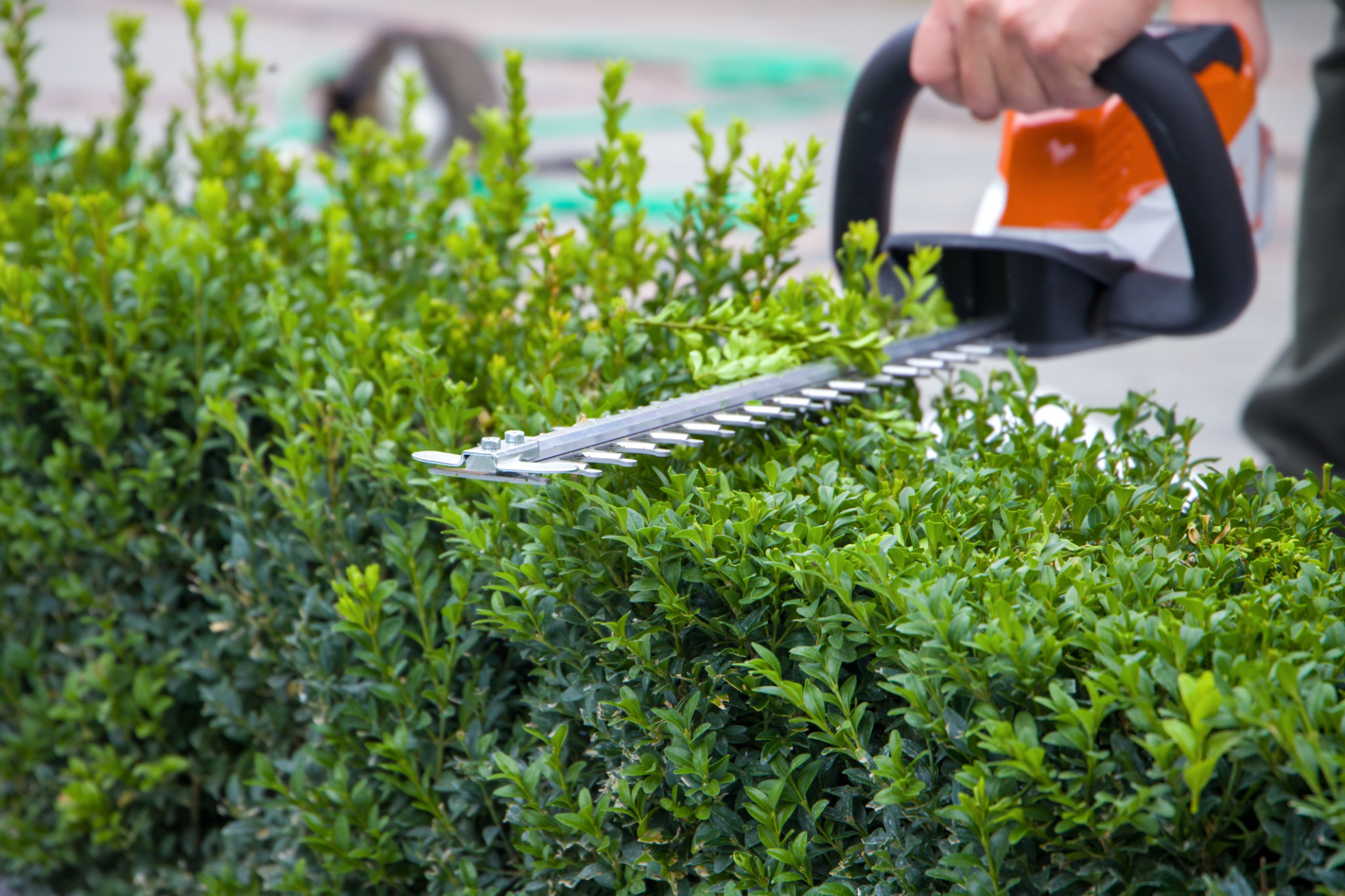
Having the right tools is crucial for effective hedge reduction. Essential tools include hedge trimmers, pruning shears, and loppers. Electric or gas-powered trimmers are ideal for large hedges, while manual shears work well for smaller, more detailed work. Ensuring that tools are sharp and well-maintained will make the task easier and more efficient.
Safety should always be a priority. Wear protective gear such as gloves and eye protection to prevent injuries from flying debris. Using a sturdy ladder for taller hedges is also recommended to ensure stability and reach.
Timing Your Hedge Reduction
The timing of hedge reduction can significantly impact its effectiveness. Most hedges benefit from reduction during late winter or early spring before new growth starts. This timing allows the plant to recover quickly and reduces the risk of diseases. However, some flowering hedges might require pruning after they bloom to avoid cutting off buds.
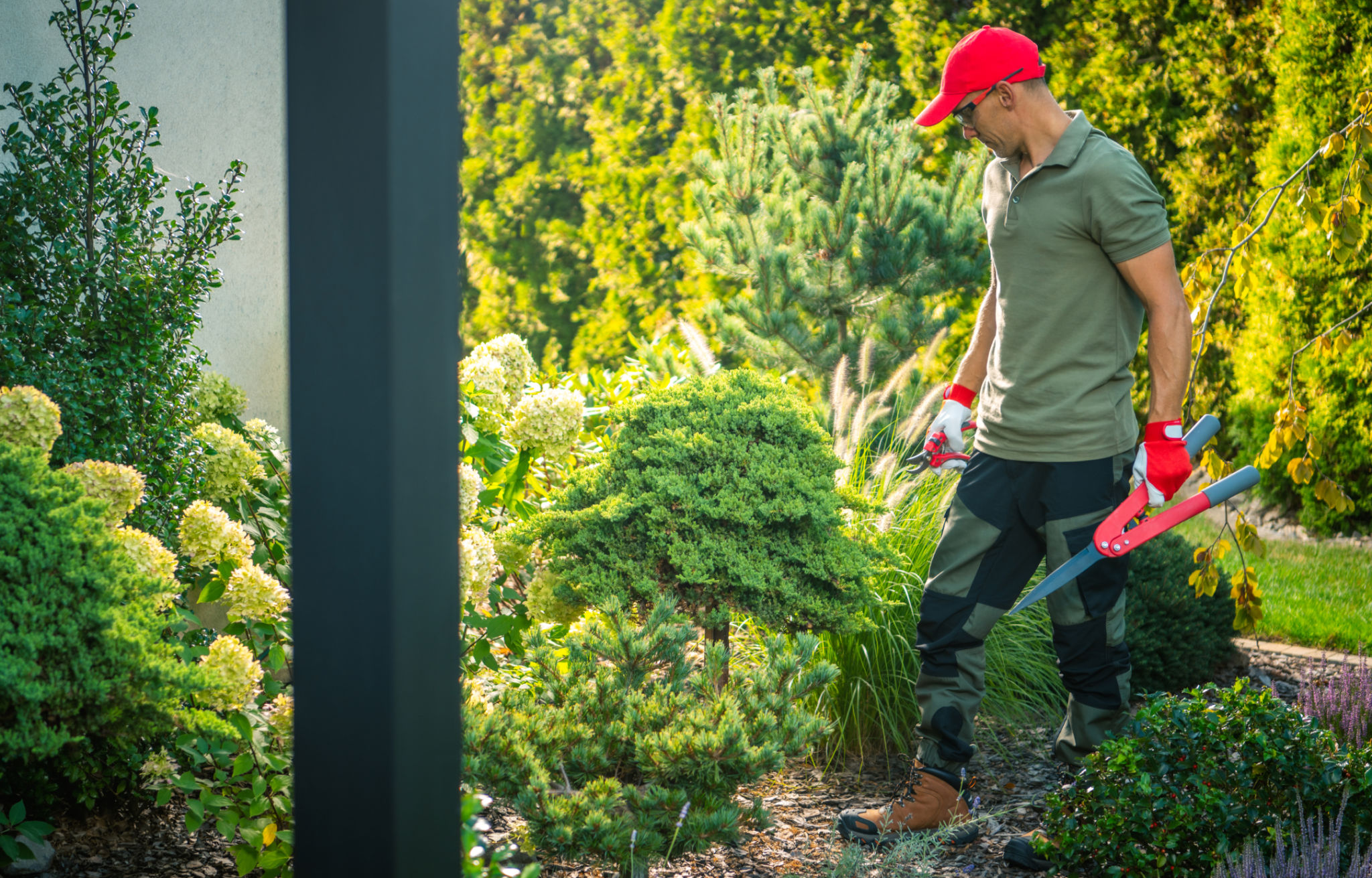
It's essential to consider the specific type of hedge you have, as different plants have varying growth cycles and requirements. Researching or consulting with a gardening expert can provide insights into the best timing for your particular hedge species.
Techniques for Effective Reduction
To achieve a perfect garden aesthetic, use the following techniques for effective hedge reduction:
- Start from the Top: Begin trimming from the top of the hedge, working your way down. This approach allows you to maintain control over the shape.
- Maintain a Tapered Shape: Trim hedges so that they are wider at the base than at the top. This shape ensures sunlight reaches all parts of the plant.
- Avoid Overcutting: Cut back only as much as necessary to achieve the desired shape. Overcutting can damage the plant and hinder growth.
Post-Care and Maintenance
After reducing your hedges, proper post-care is essential for recovery and continued health. Water the hedges adequately, especially during dry spells, to support new growth. Applying a layer of mulch around the base can help retain moisture and control weeds.
Regular maintenance trimming throughout the growing season will keep your hedges looking their best. This practice encourages bushier growth and ensures that the hedges maintain their desired shape and size.
Conclusion
Expert hedge reduction is an art that combines practical techniques with aesthetic vision. By understanding the needs of your hedges and implementing the right strategies, you can transform your garden into a beautifully curated outdoor space. Whether you are a seasoned gardener or a novice, these tips can help you achieve a perfect garden aesthetic that enhances the overall appeal of your home.