


Lawn Mowing Canberra & Lawn Care Services
Looking for reliable lawn mowing in Canberra?
Down The Rabbit Hole provides professional Canberra mowing and lawn care services for residential and commercial properties across Canberra.
About Down the Rabbit Hole AUST Pty ltd
Canberra's Trusted Lawn Mowing Specialists
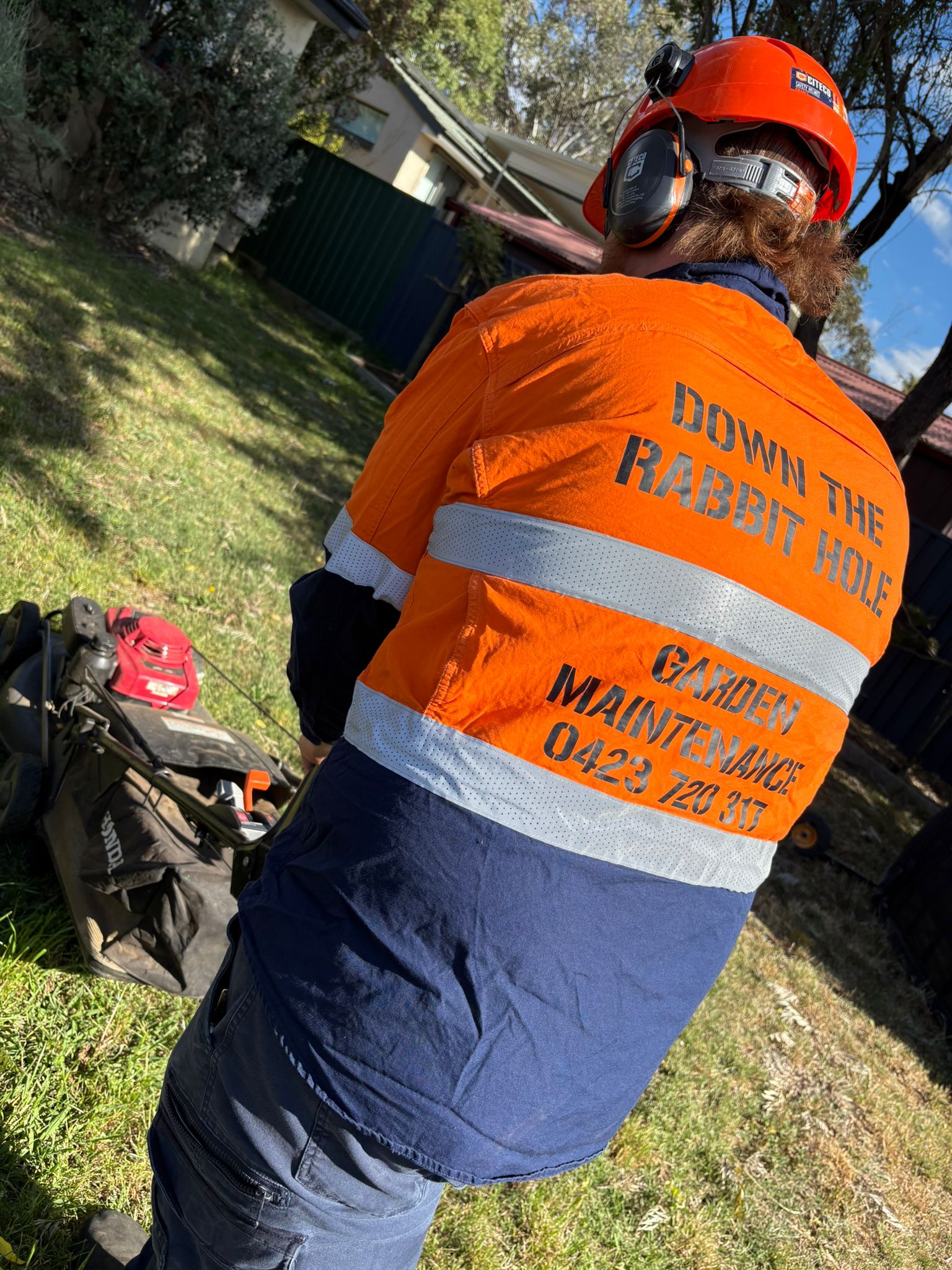
Down the Rabbit Hole AUST Pty ltd is a locally operated Canberra business delivering consistent, on-time lawn mowing services in Canberra. We combine professional equipment, insured teams, and friendly local service to deliver visible results for every property we maintain.
Whether you need ongoing lawn care Canberra homeowners rely on or a one-off tidy-up, we make lawn and garden maintenance simple.
Lawn and Garden Maintenance near me
Looking for a reliable lawn mowing service Canberra locals trust? We provide flexible, dependable mowing Canberra services with insured professionals and straightforward pricing.
✓ Fully Insured & ABN Registered
Professional lawn care with comprehensive insurance coverage for peace of mind.
✓ Reliable & Punctual
We arrive on schedule so your maintenance stays predictable.
OUR SERVICES
Complete Lawn Mowing & Yard Services in Canberra
From regular lawn mowing Canberra services to full yard clean-ups and garden maintenance, we help Canberra property owners keep outdoor spaces tidy, safe, and easy to manage year-round.
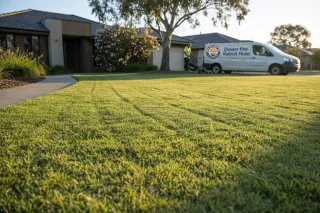
Lawn Mowing
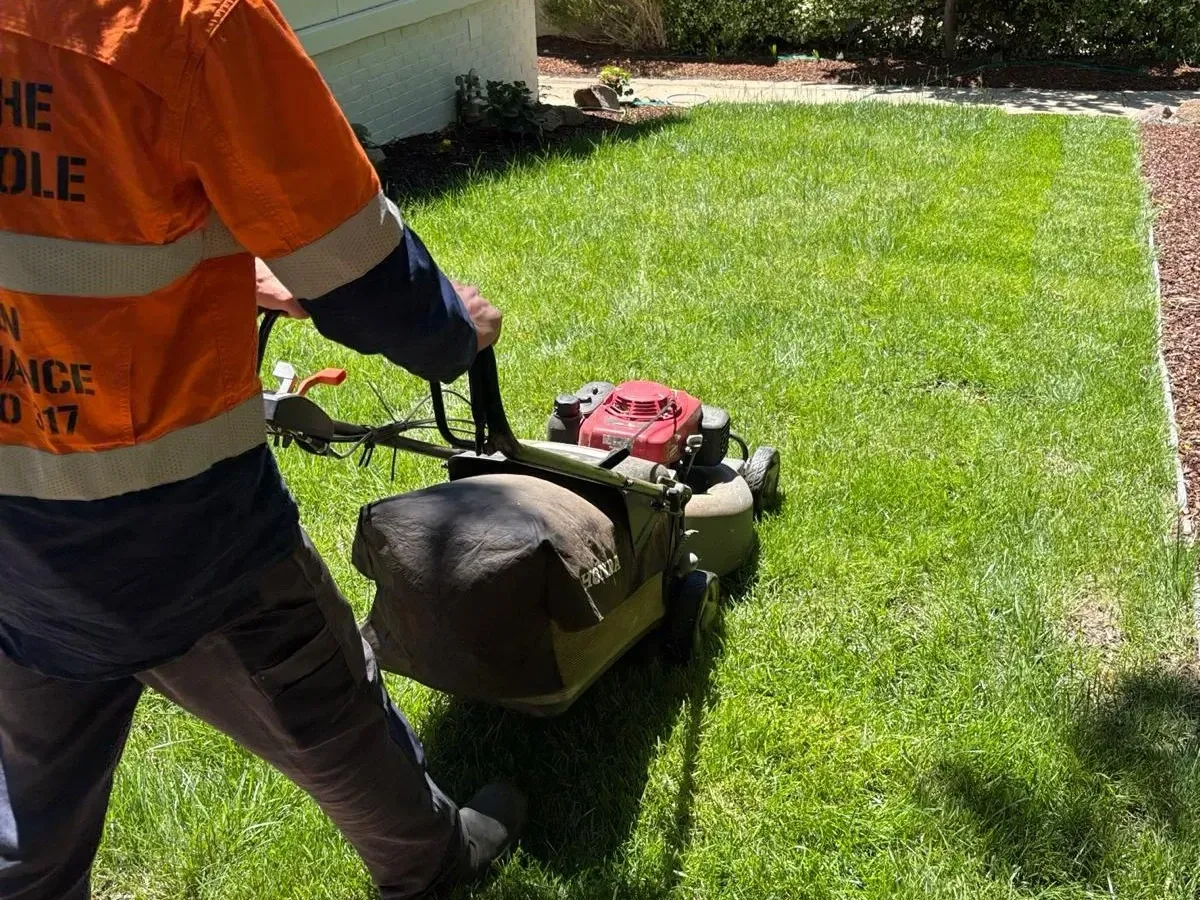
Professional lawn mowing Canberra homeowners rely on. One-off or scheduled mowing, clean edging, and clippings removed so your property always looks neat and well maintained.
Lawn Care
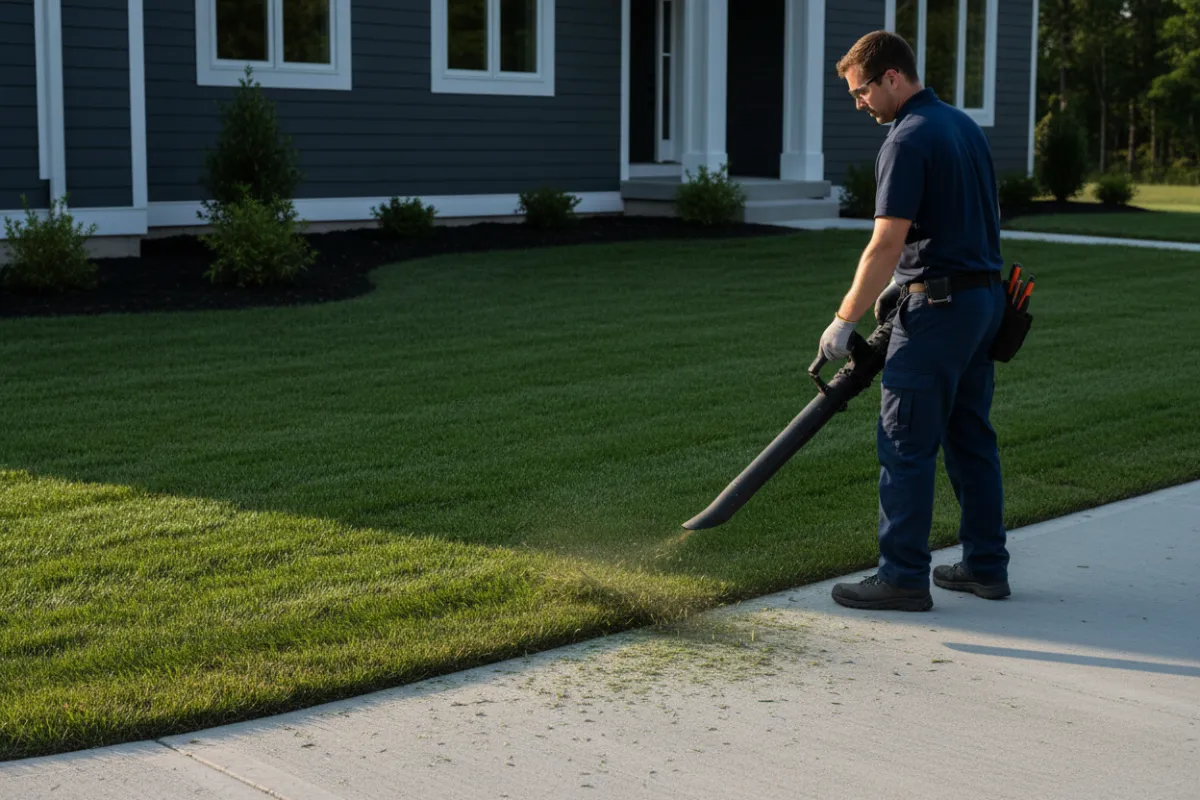
Complete lawn care in Canberra to keep your grass healthy year-round. Seasonal maintenance, general lawn upkeep, and tidy finishes tailored to your lawn’s condition.
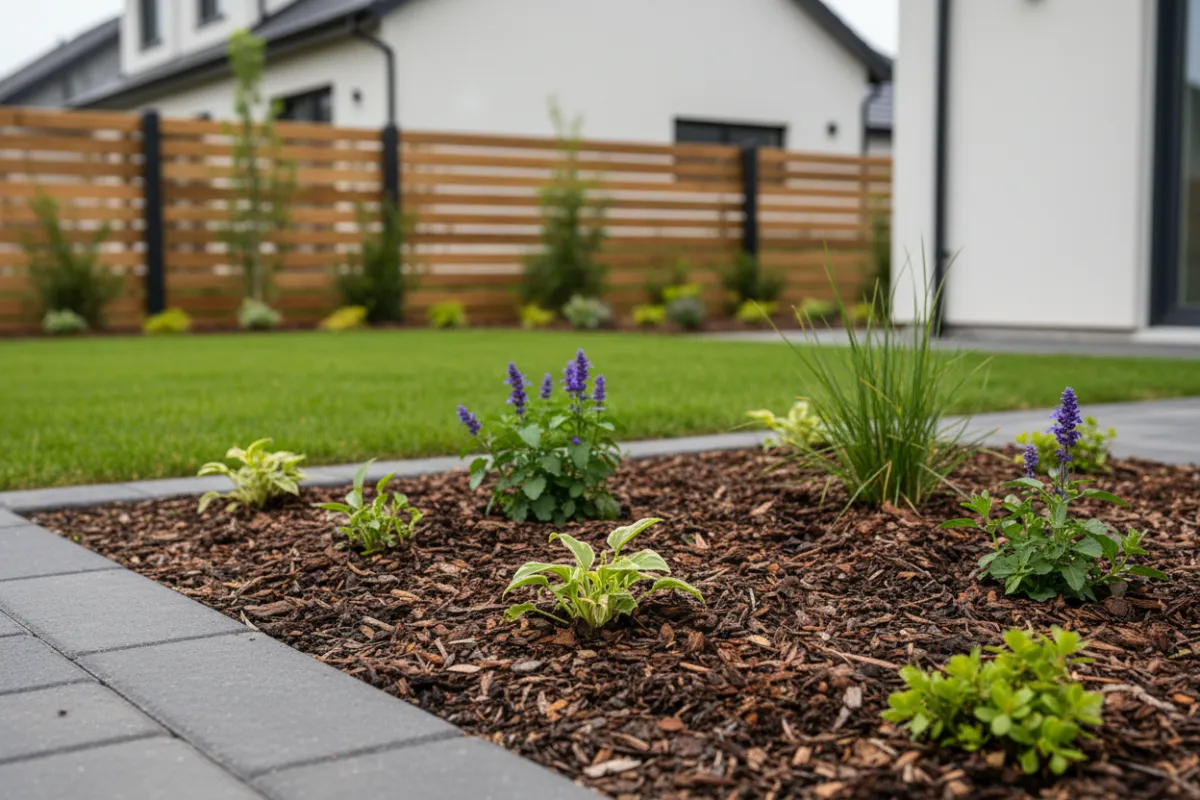
Garden Maintenance
Reliable garden maintenance Canberra locals trust. Weeding, pruning, shaping, and ongoing care to keep gardens clean, manageable, and looking their best.
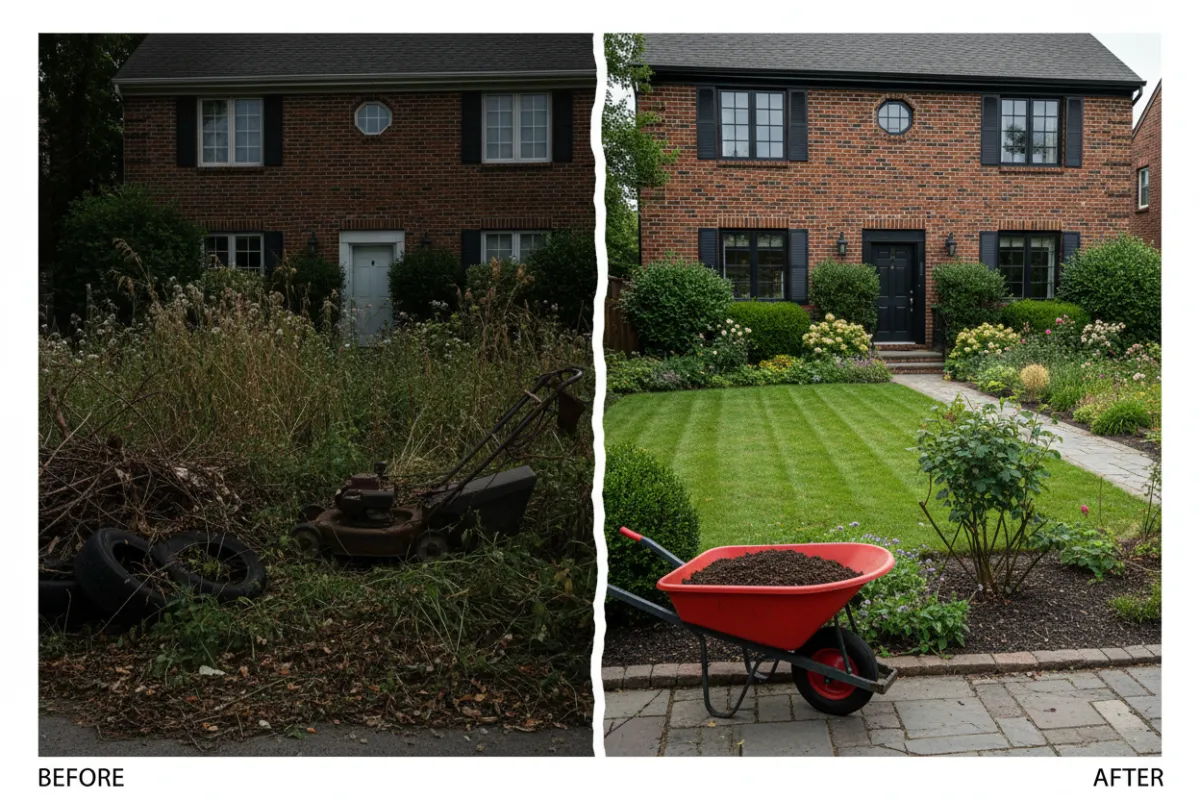
Yard Clean Ups
Full yard clean ups in Canberra for overgrown or neglected properties. Debris removal, garden bed tidy-ups, and restoration to a clean, usable outdoor space.
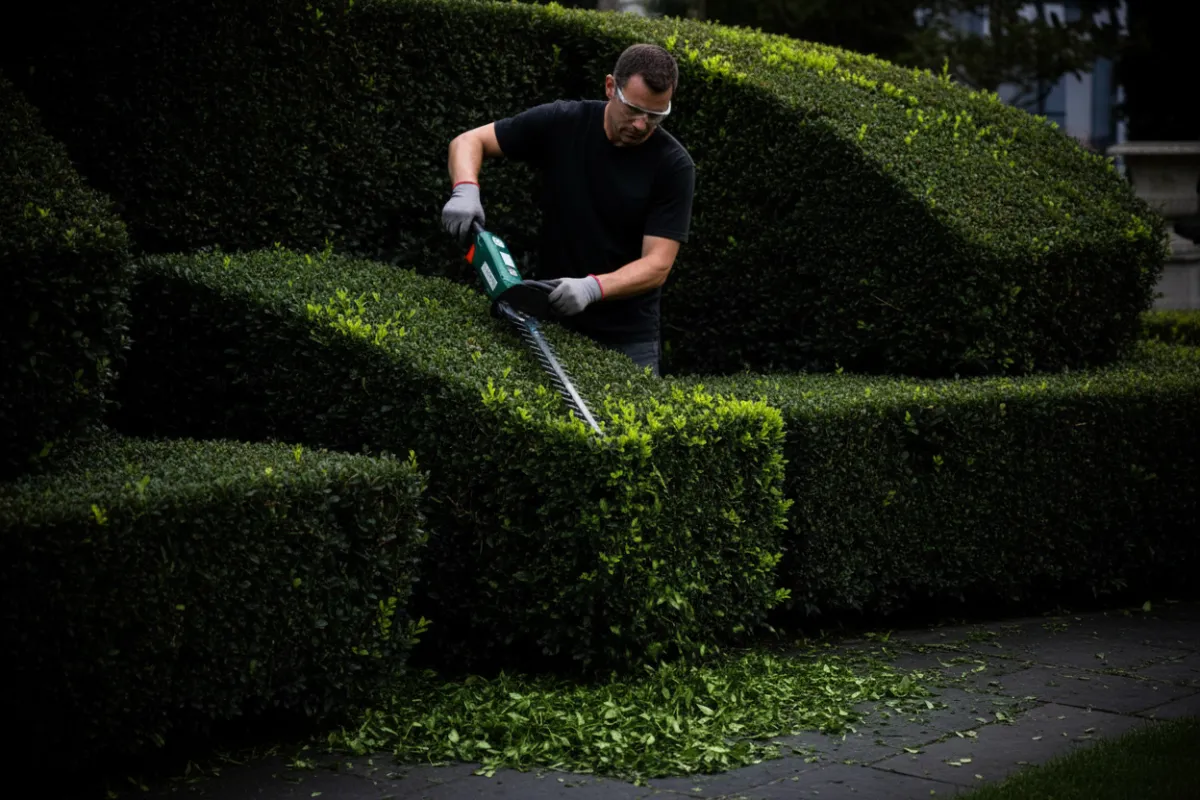
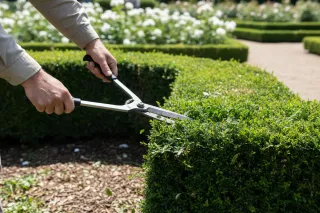
Hedge Trimming
Expert hedge trimming for healthy growth and neat presentation. We shape, reduce height, and remove green waste responsibly for a sharp, polished finish.
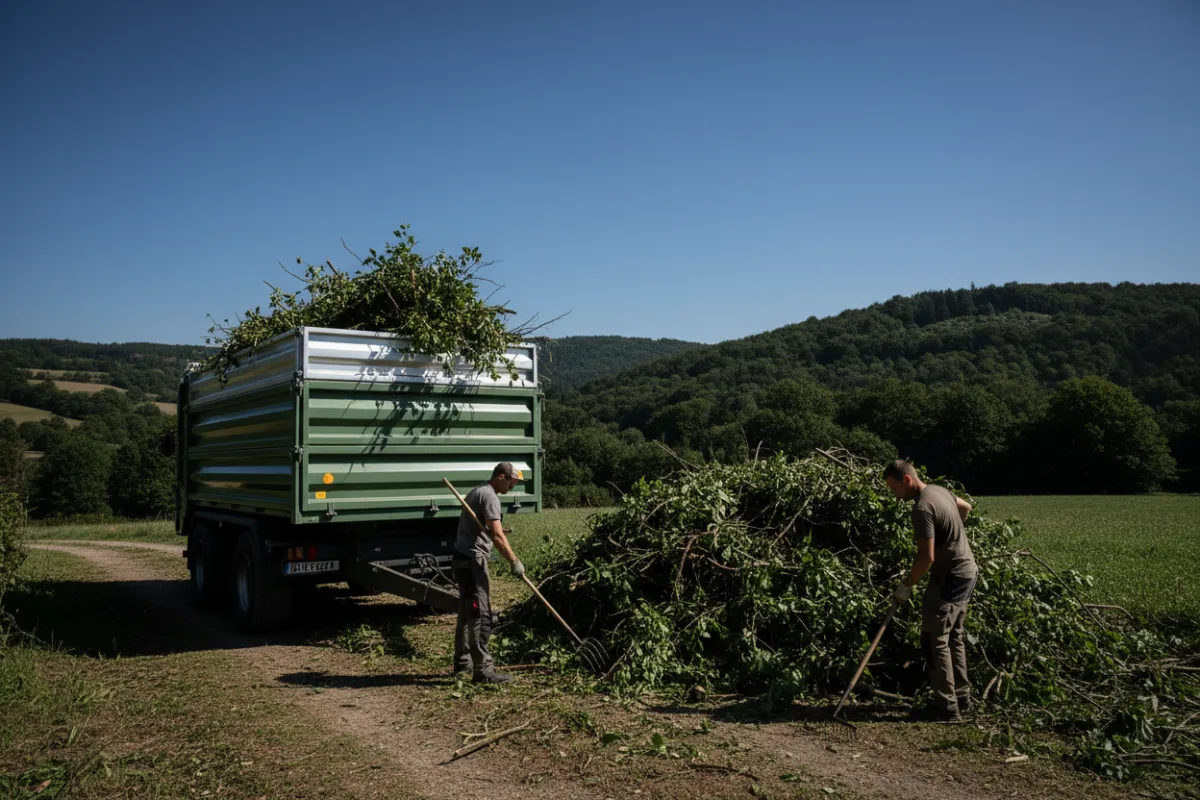
Green Waste Removal
Efficient green waste removal Canberra properties need after mowing or clean-ups. Branches, clippings, leaves, and debris removed with no mess left behind.
EXPERT LAWN CARE SOLUTIONS
Why Canberra Locals Choose Down The Rabbit Hole
Beyond regular mowing, we deliver complete garden transformations that bring your outdoor vision to life.
Local Canberra team
Clear quotes with no surprises
Reliable, on-time service
Respectful of your property
Equipped for small and large jobs
TESTIMONIALS
What Canberra Customers Say
Don't just take our word for it — here are a few experiences from Down the Rabbit Hole AUST Pty ltd customers who booked mowing, cleanups and ongoing maintenance across Canberra.
GET IN TOUCH
Get Your Free Lawn Care Quote in Canberra
Ready for a professional lawn mowing or a one-off yard cleanup? Request a free, no-obligation quote — we service residential and commercial properties across the ACT.
Lawn Mowing & Garden Services FAQs
Frequently Asked Questions
How much does lawn mowing cost in Canberra?
Lawn mowing costs in Canberra depend on lawn size, frequency, and condition. We provide clear, upfront quotes before starting so you know exactly what to expect.
Do you offer one-off lawn mowing services?
Yes. We offer one-off lawn mowing for properties that need a quick tidy-up, as well as regular scheduled mowing for ongoing maintenance.
How often should lawns be mowed in Canberra?
Most Canberra lawns are best mowed every 1-2 weeks during the growing season and every 2-4 weeks in the cooler months. We can recommend the right schedule based on your lawn type and time of year.
Do you provide lawn care as well as mowing?
Yes. Our services include complete lawn care in Canberra, including general maintenance, seasonal upkeep, and lawn tidy-ups alongside mowing.
Do you offer yard clean-ups for overgrown properties?
Yes. We provide full yard clean-ups for overgrown or neglected properties, including debris removal and garden bed tidy-ups.
Is green waste removal included?
Green waste removal is available with all lawn mowing, garden maintenance, and yard clean-up services. We remove clippings, branches, and garden debris.
Do you service residential and commercial properties?
Yes. We provide lawn mowing and garden maintenance services for both residential homes and commercial properties across Canberra.
Do I need to be home during the service?
No. As long as we have clear access to the property, you don’t need to be home while we complete the work.
Which areas of Canberra do you service?
We service lawns and gardens across Canberra and surrounding areas, including Kambah, Fisher, Woden, Tuggeranong, Weston Creek, and nearby regions.
SERVICE AREAS
Lawn Mowing & Lawn Care Services Across Canberra
We provide professional lawn mowing, lawn care, and garden maintenance services across Canberra and surrounding regions. Our local team services residential and commercial properties throughout the ACT and nearby NSW areas.
If you’re searching for lawn mowing near you in Canberra, chances are we already service your area.
ACT & CANBERRA SUBURBS WE SERVICE
Charnwood, Macgregor, Melba, Latham, Spence, Evatt, Holt, Higgins, Scullin, Hawker, Weetangera, Macquarie, Cook, Aranda, Giralang, Kaleen, Lawson, Bruce, Lyneham, O'Connor, Dickson, Downer, Ainslie, Braddon, Acton, Watson, Hackett, Braddon, Reid, Campbell, Yarralumla, Deakin, Redhill, Narrabundah, Curtin, Hughes, Lyons, Coombs, Denman Prospect, Wright, Holder, Western, Duffy, Rivett, Champman, Stirling, Fisher, Warramanga, Phillip, Chifley, O'malley, Mawson, Pearce, Torrens, Farrer, Issacs, Kambah, Wanniassa, Greenway, Fadden, Monash, Gowrie, Isabella Plains, Richardson, Chisholm, Macarthur, Gilmore, Bonython, Jerrabomberra, Queanbeyan, Crestwood, Beard, Googong, Karabar
Caberra Lawn Care Tips & Guides
Practical advice, seasonal lawn care tips, and local insights to help Canberra homeowners keep their lawns healthy all year round. Written by local lawn care professionals who understand Canberra conditions.
Top-Rated Canberra Lawn Maintenance Providers: A Homeowner’s Guide
A homeowner-friendly guide to top-rated lawn maintenance providers in Canberra, including what to look for, common mistakes, and local lawn care tips. ...more
Canberra Lawn Care Tips & Guides
January 05, 2026•3 min read
Best Lawn Mowing Services in Canberra
Looking for the best lawn mowing services in Canberra? This local guide helps homeowners choose reliable lawn care, understand pricing, and know what to expect for year-round results. ...more
Canberra Lawn Care Tips & Guides
January 05, 2026•3 min read
Down the Rabbit Hole AUST Pty ltd
Professional lawn mowing Canberra services. Hedge trimming, yard cleanups, weed spraying & rubbish removal across the ACT.
Down the Rabbit Hole (Aust) Pty Ltd
ABN Registered | Fully Insured
Quick Links
Services
About
Areas
Testimonials
Contact
Our Services
Lawn Mowing
Hedge Trimming
Yard Cleanups
© 2025 Down the Rabbit Hole AUST Pty ltd. Professional Lawn Mowing & Lawn Care Services in Canberra, ACT.