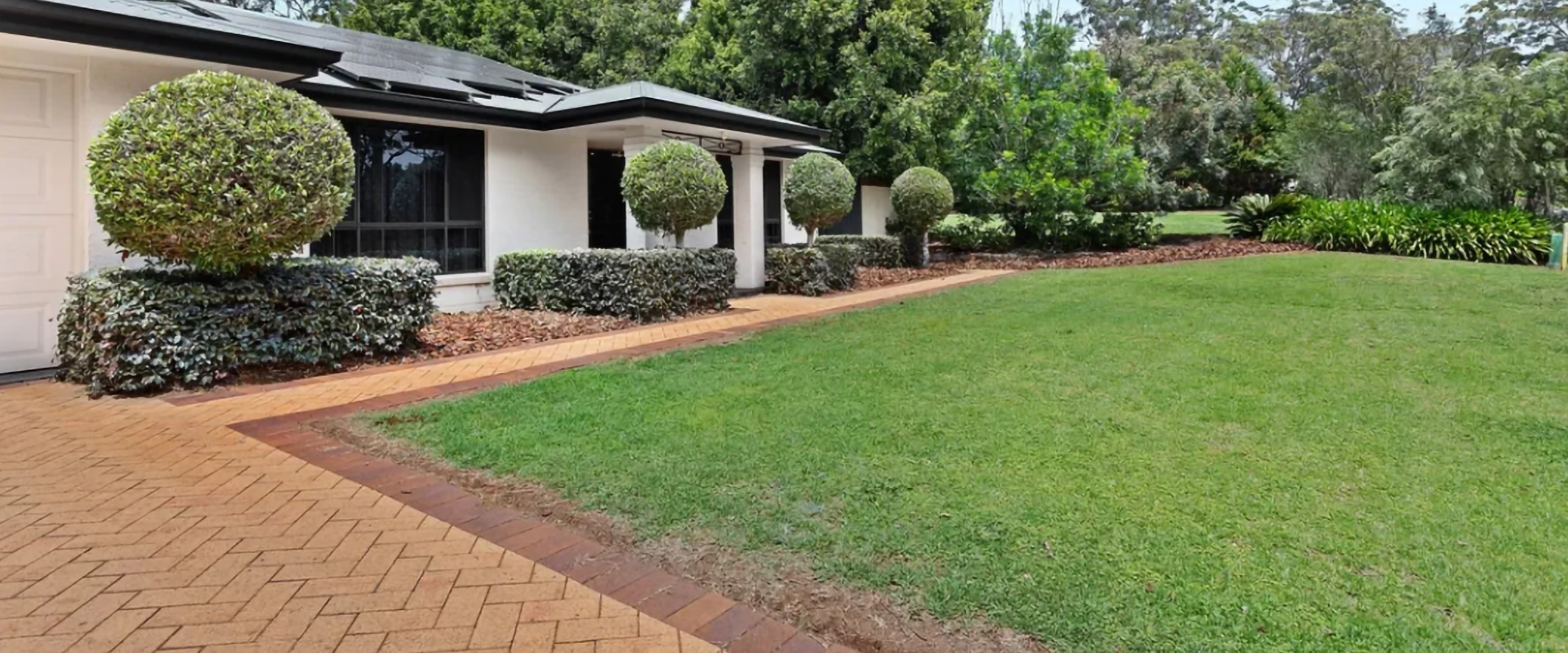
Stop Bindi & Broadleaf Weeds Before Canberra Summer
To stop bindi and broadleaf weeds in Canberra, act during autumn and winter. This is when the weeds are young and vulnerable. Use a selective herbicide and maintain a healthy, dense lawn by mowing high and watering deeply. This preventative approach stops them from seeding before summer arrives.
Key takeaways
Act in autumn and winter for the most effective bindi and weed control.
Use a selective broadleaf herbicide to kill weeds without harming your grass.
A thick, healthy lawn is the best natural defense against weeds.
Mow your lawn at a higher setting to help grass outcompete weeds.
Consider professional help for access to better products and expertise.
Preventing weeds from seeding is more effective than fighting them in summer.
Getting your lawn ready for a Canberra summer means dealing with pesky invaders like bindi and broadleaf weeds before they take over. Nobody enjoys a lawn filled with prickly surprises, especially when you want to walk around barefoot. Luckily, with the right timing and approach, you can reclaim your turf and ensure a lush, green, and pain-free summer. For residents in the ACT, understanding how to tackle these weeds is the first step toward a beautiful yard.
What Exactly Are Bindi and Broadleaf Weeds?
Bindi and broadleaf weeds are common lawn nuisances that disrupt the uniform appearance of your grass and can be painful to walk on. Bindi, also known as bindii or soliva, is famous for its sharp, spiky seed pods that appear in late spring and summer. Broadleaf weeds are a category of plants like clover and dandelions, which have leaves that are wider than grass blades, making them easy to spot in a lawn.
Why Is Autumn and Winter the Best Time for Bindi Spraying in Canberra?
The best time to control bindi and broadleaf weeds is during autumn and winter, well before they produce seeds. Spraying during these cooler months targets the weeds while they are young and actively growing but haven't yet developed their spiky, painful seeds. This preventative approach is far more effective than trying to manage an infestation in the heat of summer. Trying to spray in summer is often too late; the weeds have dropped their seeds, setting up next year's invasion.
The Weed Life Cycle
Most broadleaf weeds, including bindi, germinate in autumn as the soil cools down. They grow slowly through the winter and then bolt in spring as temperatures rise. By late spring, they flower and produce seeds. For bindi, this means the dreaded spiky burrs. Targeting them in autumn and winter disrupts this cycle, giving your lawn a chance to thrive without competition.
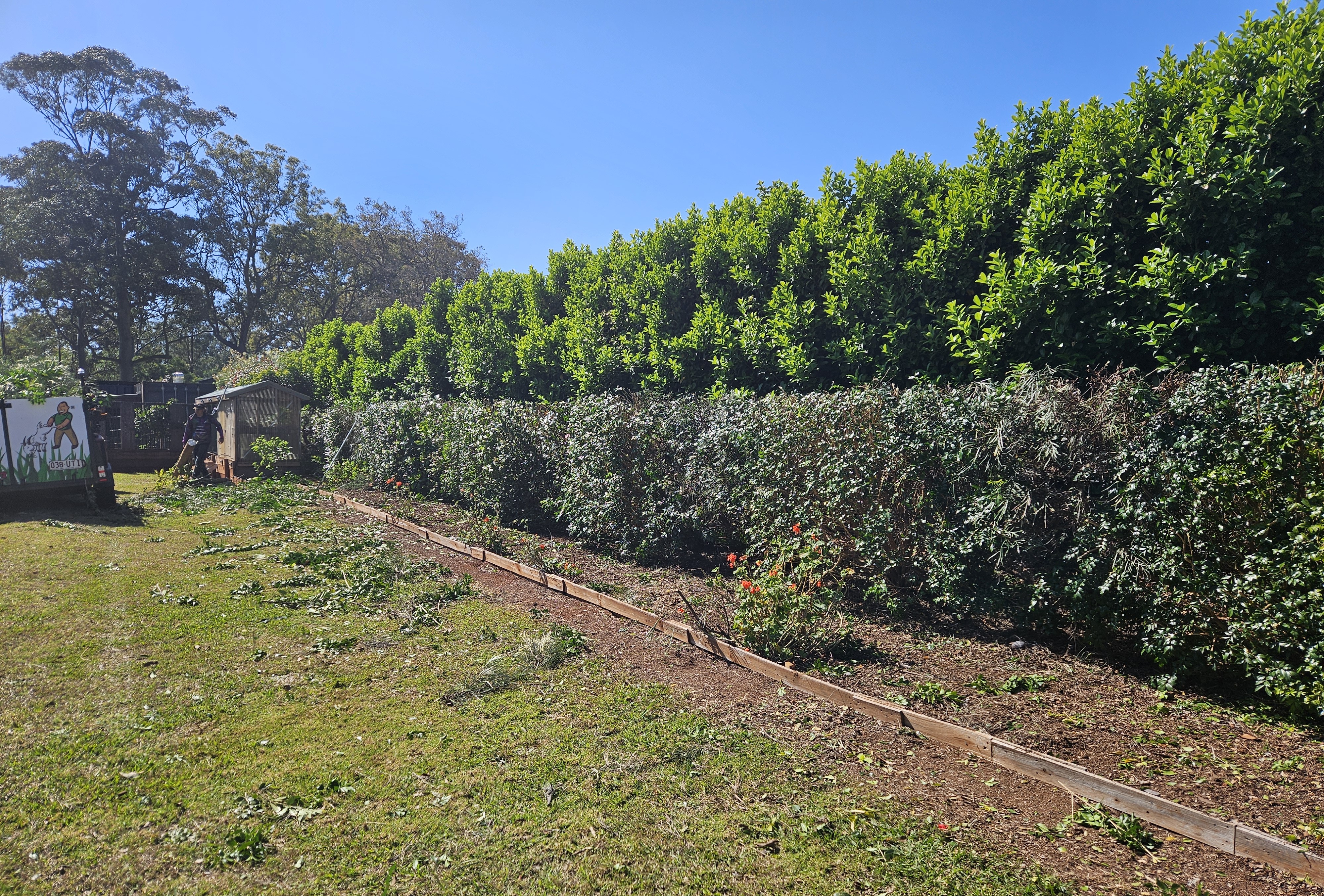
How to Control Bindi and Broadleaf Weeds
Effective weed control involves a combination of chemical and cultural methods. A multi-pronged attack ensures you not only get rid of existing weeds but also create an environment where they are less likely to return. For many homeowners, especially in areas like Kambah or Giralang, getting ahead of the problem is key.
Choosing the Right Herbicide
For broadleaf weeds and bindi, a selective herbicide is necessary. These herbicides are designed to kill the weeds without harming your grass. Look for products containing active ingredients like MCPA and Bromoxynil, which are effective on a wide range of broadleaf pests.
Cultural Control Methods
Chemicals are only part of the solution. Healthy lawn care practices are your best long-term strategy. Mowing your lawn at a higher setting helps the grass develop a deep root system and shade the soil, preventing weed seeds from germinating. Regular, deep watering also encourages grass roots to grow stronger than the shallow roots of many weeds. According to industry research, a thick lawn can naturally reduce weed infestation by over 80%.
DIY vs. Professional Lawn Weed Control in the ACT
Deciding between a DIY approach and hiring a professional often comes down to time, cost, and the scale of the problem. While DIY kits are readily available, a professional service can offer a more effective and lasting solution.
Factor | DIY Approach | Professional Service |
|---|---|---|
Effectiveness | Can be hit-or-miss. Relies on correct product choice and application. | High. Professionals have access to commercial-grade products and equipment. |
Cost | Lower upfront cost for products. | Higher initial cost, but can be more cost-effective long-term. |
Time & Effort | Requires research, purchasing, and manual application. | Saves you time and effort; the work is done for you. |
Safety | Requires careful handling and storage of chemicals. | Professionals are trained in safe application and handling procedures. |
For a guaranteed, hassle-free solution, consider a local expert. For reliable bindi spraying and lawn care, check out Down the Rabbit Hole AUST Pty ltd — they have the expertise to get your Canberra lawn ready for summer.
Ultimately, preventing bindi and broadleaf weeds is about proactive care. By taking action in the cooler months, you set your lawn up for a successful, enjoyable summer. A little effort in autumn and winter pays big dividends when you can walk across your lawn without a single prickle. If you need help, the team at Down the Rabbit Hole AUST Pty ltd is always ready to lend their expertise.
Frequently Asked Questions
What is the best time to spray for bindi in Canberra?
The best time for bindi spraying in Canberra is during autumn and winter. This targets the weeds while they are young and actively growing, preventing them from producing their painful, spiky seeds in late spring and summer. It's a proactive approach that is much more effective than reactive spraying.
Can I remove bindi weeds by hand?
Yes, you can remove bindi weeds by hand, especially if you only have a few. It's best to do this after rain when the soil is soft. However, for a widespread infestation, hand-pulling is often impractical, and a selective herbicide is a much more efficient solution to ensure you remove all the plants.
What is a selective herbicide?
A selective herbicide is a type of weed killer designed to target specific types of plants, like broadleaf weeds, while leaving others, like your lawn grass, unharmed. This is crucial for treating weeds in a lawn without killing the turf. Always check the label to ensure it's safe for your grass type.
Will bindi die off in winter?
No, bindi weeds do not die off in winter. They actually germinate in autumn and grow slowly throughout the winter months in Canberra's climate. They then accelerate their growth in spring before flowering and setting seed. Winter is the ideal time to control them while they are still immature.
How do I make my lawn healthier to resist weeds?
To make your lawn healthier, mow at a taller height, water deeply but less frequently, and fertilize appropriately for the season. A dense, thriving lawn will naturally crowd out and shade the soil, preventing weed seeds like bindi from getting the light and space they need to germinate and grow.


