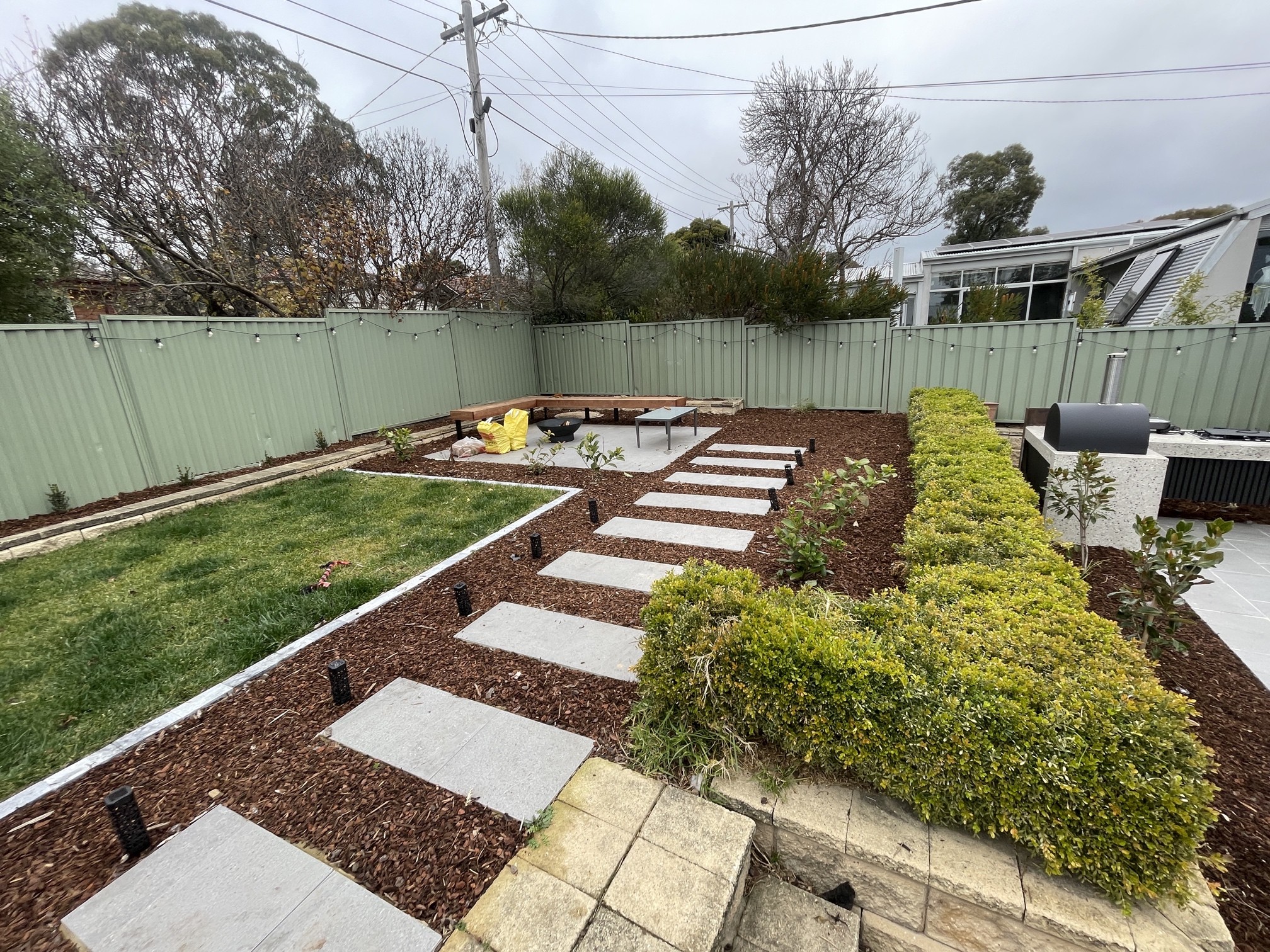
Garden Mulching Canberra: A Guide to a Thriving Garden
Garden mulching in Canberra involves applying a 5-10cm layer of material like bark or straw to your soil. This is vital in the ACT climate to conserve soil moisture, suppress weeds, and regulate soil temperature. For best results, weed and water before applying mulch annually in spring or autumn.
Key takeaways
Mulching can reduce water evaporation by up to 70%.
Apply mulch in a layer 5-10cm deep for best results.
Keep mulch away from plant stems to prevent rot.
Choose organic mulches like bark to improve soil health over time.
Reapply mulch annually, ideally in spring or autumn.
Mulching is crucial for managing Canberra's hot summers and frosty winters.
Effective garden mulching in Canberra is one of the smartest investments you can make for your landscape. It not only elevates your home's curb appeal but also creates a healthier, more resilient environment for your plants to thrive in the unique ACT climate. Whether you're in Weston Creek or Giralang, understanding the right way to mulch can save you time, water, and effort. Let's dig into how you can transform your garden beds with this simple yet powerful technique, with a little help from experts like Down the Rabbit Hole AUST Pty ltd.
What is Garden Mulching?
Garden mulching is the process of applying a layer of material to the surface of your soil. This simple act protects your soil, conserves moisture, suppresses weeds, and improves the overall health and fertility of your garden beds. Think of it as a protective blanket for your garden's foundation.
Mulch can be organic, like bark or straw, or inorganic, such as pebbles or gravel. The choice depends on your specific gardening goals, budget, and aesthetic preferences. For most residential gardens in Canberra, organic mulches are preferred for their soil-enhancing benefits.
Why is Mulching So Important in the ACT Climate?
Mulching is crucial in the Australian Capital Territory due to our distinct seasons. It helps regulate soil temperature, keeping plant roots cooler during hot summers and warmer during frosty winters. The difference a good layer of mulch makes can be significant for plant survival and growth.
Furthermore, Canberra is known for its periods of low rainfall. A proper mulch layer can reduce water evaporation from the soil surface by up to 70%, according to industry research. This means less time spent watering and a more sustainable garden. It also drastically reduces weed growth, freeing you from the constant battle of pulling unwanted invaders.
The Core Benefits of Mulching Your Garden Beds
Moisture Retention: Slows evaporation, keeping soil moist for longer periods and reducing your water bills.
Weed Suppression: Blocks sunlight, preventing weed seeds from germinating and competing with your plants for nutrients.
Temperature Regulation: Insulates soil from extreme heat and cold, protecting sensitive plant roots.
Soil Health Improvement: Organic mulches decompose over time, adding vital nutrients and improving soil structure.
Erosion Prevention: Shields soil from being washed or blown away by heavy rain and wind.
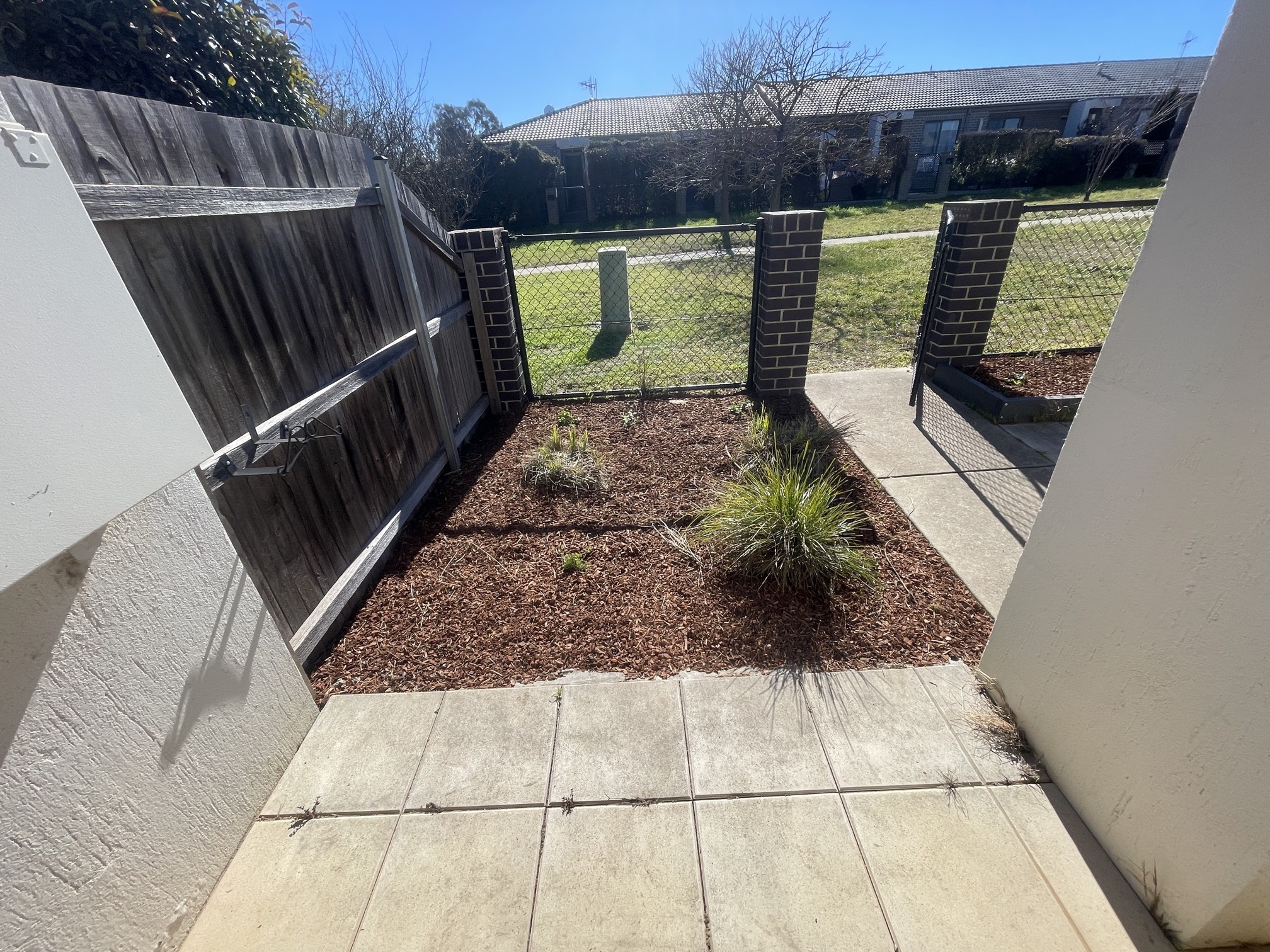
What Types of Mulch are Best for Canberra Gardens?
Choosing the right mulch is key to success. Different materials offer different benefits, so consider your garden's specific needs. In Canberra, long-lasting mulches that aid in water retention are often the best choice.
Comparing Popular Mulch Options
Here’s a breakdown of common mulch types to help you decide what’s right for your garden bed maintenance.
Mulch Type | Pros | Cons | Best For |
|---|---|---|---|
Wood Chips/Bark | Long-lasting, decorative, excellent at retaining moisture. | Can deplete nitrogen from the soil surface initially. | General-purpose for garden beds and around trees. |
Lucerne Hay | High in nitrogen, breaks down quickly to feed soil. | Needs frequent reapplication, can contain weed seeds. | Vegetable gardens and boosting soil fertility. |
Sugar Cane Mulch | Breaks down well, improves soil structure, good water retention. | Very lightweight and can blow away if not watered in. | New garden beds and vegetable patches. |
Gravel/Pebbles | Permanent, low maintenance, excellent for fire-prone areas. | Absorbs and radiates heat, offers no nutrients to soil. | Succulent gardens, pathways, and modern landscape designs. |
How Do You Apply Mulch Correctly?
Applying mulch correctly ensures you get all the benefits without any of the potential downsides. First, thoroughly weed the area and water the soil deeply. If the soil is compacted, aerating it beforehand can improve water penetration.
Next, apply a layer of mulch that is between 5cm and 10cm deep. A layer that is too thin won't be effective at suppressing weeds or retaining moisture, while a layer that is too thick can prevent water and oxygen from reaching the soil. Be sure to pull the mulch away from the base of your plants to prevent stem rot and pest issues.
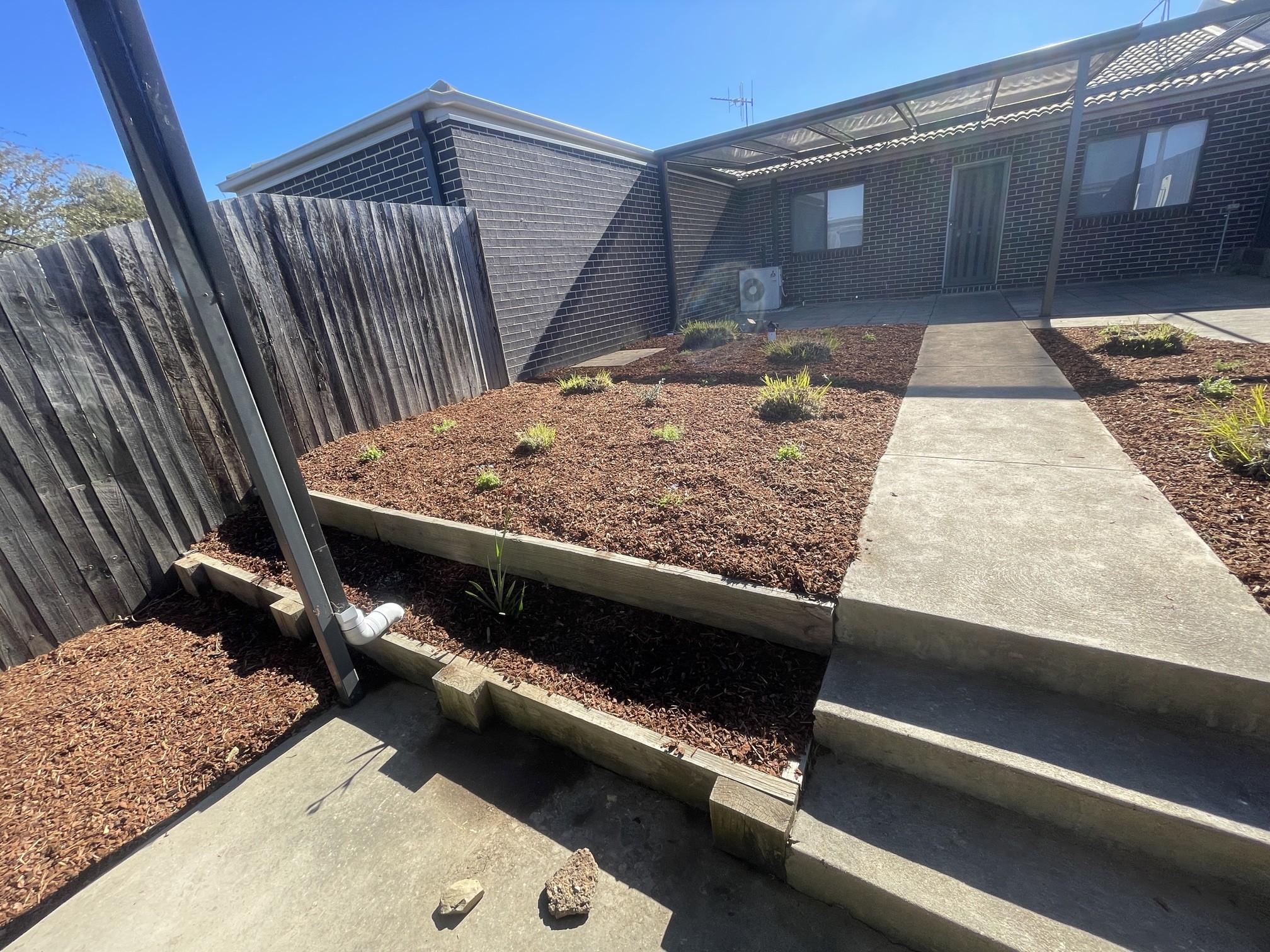
When Should You Reapply Mulch?
You should reapply mulch whenever it has broken down and thinned out. For organic mulches like bark or sugar cane, this is typically an annual job, best done in spring or autumn. Spring mulching helps prepare your garden for the summer heat, while autumn mulching protects it through winter.
Check the depth of your mulch layer every few months. If you can easily see the soil through it, or the layer is less than 5cm deep, it's time for a top-up. Keeping the layer consistent is key to maintaining soil moisture and weed control throughout the year.
Your Local Mulching Solution
Seasonal mulching and garden restoration can feel like a big job. If you want a professional touch to ensure it's done right, the team at Down The Rabbit Hole provides expert mulching services. Proper application saves water and keeps your garden looking pristine.
Conclusion
Garden mulching is a fundamental part of successful gardening in Canberra. It protects your soil, saves water, and builds a healthier foundation for your plants. By choosing the right type of mulch and applying it correctly, you can create a beautiful, low-maintenance garden that thrives in every season. Whether you're an avid DIYer or prefer to call in the experts, mulching is a task that pays dividends. For assistance with your garden needs, from mulching to complete yard cleanups, the team at Down the Rabbit Hole AUST Pty ltd is ready to help you create the garden of your dreams. Visit their website or call to get started.
Frequently Asked Questions
How much mulch do I need for my Canberra garden?
To calculate your needs, measure the length and width of your garden bed in meters. Multiply length by width to get the area in square meters. For a 7.5cm (0.075m) layer, multiply your area by 0.075 to find the cubic meters of mulch required. Most suppliers sell mulch by the cubic meter.
What is the best time of year to mulch in the ACT?
The best times to mulch in the ACT are mid-spring or late autumn. Spring mulching prepares your garden for summer by locking in moisture. Autumn mulching protects plant roots from frost and winter cold, giving the mulch time to start breaking down and enriching the soil for spring growth.
Can I put new mulch on top of old mulch?
Yes, you can and should apply new mulch over old. The old layer will continue to decompose, adding valuable organic matter to the soil. Before applying the new layer, gently break up any compacted old mulch to ensure water and air can still penetrate through to the soil.
Does wood chip mulch attract termites?
This is a common myth, but no, mulch does not attract termites. Termites are subterranean and are more attracted to large, structural sources of wood in contact with the ground. While they might pass through mulch, they do not feed on it. To be safe, always keep mulch away from your home's foundation.
Will mulching prevent all weeds?
Mulching significantly reduces weed growth by blocking sunlight from reaching seeds. However, it won't stop all weeds. Some very persistent perennial weeds may still push through, and new seeds can be blown onto the surface of the mulch. It makes weeding much easier, as the weeds that do grow are typically shallow-rooted and simple to pull.
What is the cheapest mulch option?
Generally, locally sourced materials are the most affordable. In many areas, arborists will offer wood chips for free or a low cost. Sugar cane and lucerne hay can also be cost-effective, but they break down faster and require more frequent reapplication than bark or wood chip mulches, so consider the long-term cost.


