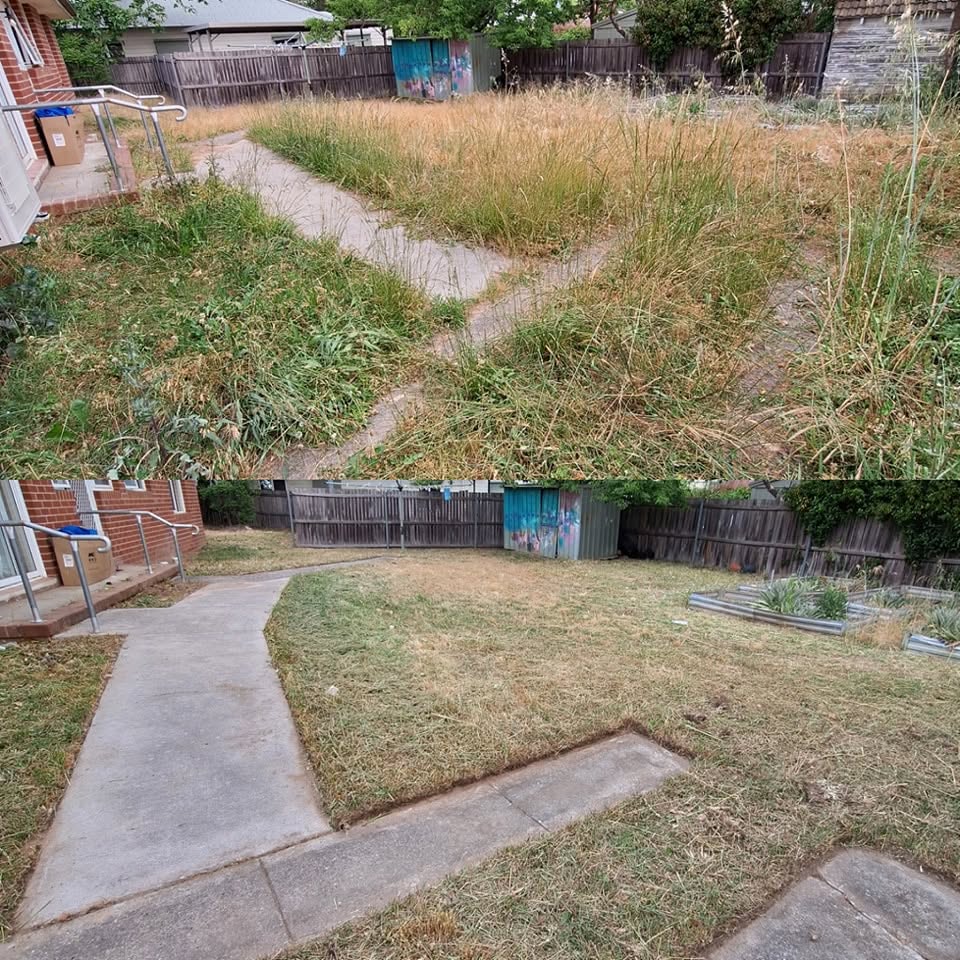
Canberra Winter Lawn Care Guide for Homeowners
Quick answer: Winter lawn care focuses on protecting your dormant grass. Continue to mow high and infrequently, clear away leaves and debris to prevent disease, and minimize foot traffic. Avoid overwatering and fertilizing until spring to ensure your lawn re-emerges healthy and strong.
Key takeaways
Your lawn isn't dead in winter, just dormant.
Mow less often and keep the blades set high.
Keep the lawn clear of leaves and debris.
Reduce foot traffic to avoid compacting the soil.
Hold off on fertilizer until late winter or spring.
Effective winter lawn care is your secret weapon for a lush, green lawn in spring. While it might be tempting to hang up the gardening gloves when the temperature drops, the work you do now protects your turf and sets it up for success. Just because the growth has slowed doesn’t mean the care should stop. For homeowners in Canberra, a little effort during the colder months can make a big difference when spring arrives. Canberra's frosty mornings and cool winter temperatures mean your lawn benefits from a little extra care during the dormant season.
What Happens to Your Lawn in Winter?
In Canberra, most warm-season lawns such as Buffalo, Kikuyu and Couch become dormant during winter as temperatures drop and overnight frosts become more common. Cool-season grasses like Fescue may stay greener but grow much more slowly.
Should You Mow Your Lawn in Winter?
In Canberra, you can usually reduce mowing to once every four to six weeks because grass growth slows significantly during winter. Always keep your mower blades slightly higher than normal to help protect the grass from frost damage.
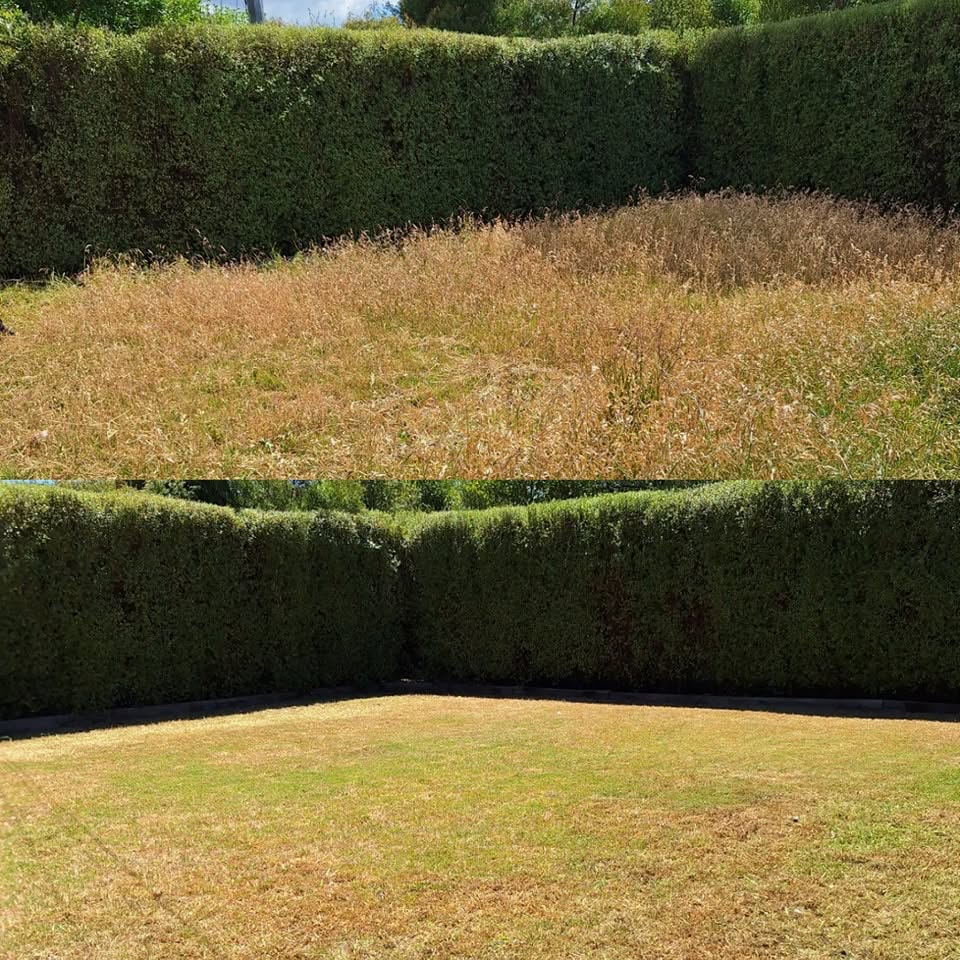
How to Handle Weeds and Debris in Winter
It’s crucial to remove leaves, twigs, and other debris from your lawn throughout winter. A thick layer of wet leaves can smother the grass, blocking sunlight and trapping moisture. Canberra's cold, damp conditions can also encourage fungal diseases if leaves and debris are left sitting on the lawn for long periods.
Winter is a good time for Canberra homeowners to control broadleaf weeds before they spread during the warmer spring months.
Why is Aeration Important Before Winter?
Aerating your lawn in late autumn prepares it for the harshness of winter by reducing soil compaction. This process involves creating small holes in the soil, which allows vital resources like air, water, and nutrients to penetrate deep into the root zone. A well-aerated lawn can better withstand the stresses of winter.
There are two main types of aeration: spike aeration, which punches holes, and core aeration, which removes small plugs of soil. Core aeration is generally considered more effective for heavy clay soils common in areas like Canberra. This single task can drastically improve your lawn’s resilience and set it up for a robust recovery in the spring. Many Canberra gardens have compacted clay soils, making core aeration a practical way to improve drainage and encourage healthier root growth before spring.
Winter Lawn Care Tasks: A Simple Guide
A good winter lawn care routine doesn't have to be complicated. By focusing on a few simple tasks throughout the season, you can help protect your lawn from winter damage and encourage healthy growth when spring arrives.
Aim to remove leaves, twigs, and other garden debris at least once a week or whenever they begin to build up. This helps prevent fungal diseases and allows sunlight to reach the grass.
Mow your lawn every four to six weeks, or only when necessary, using a higher mower setting. Leaving the grass slightly longer provides extra protection against frost and cold temperatures.
Try to minimise foot traffic on your lawn, particularly during frosty mornings. Walking on frozen or waterlogged grass can damage the blades and compact the soil, making it harder for your lawn to recover in spring.
Finally, keep an eye out for broadleaf weeds. Removing or spot-treating them as they appear during winter can help prevent a larger weed problem once the weather warms up.
What About Watering and Fertilizing?
You should reduce watering significantly in winter, as dormant grass requires very little moisture. Canberra winters usually provide enough natural moisture that lawns need very little additional watering unless there is an extended dry spell.
It’s also best to avoid applying fertilizer during the middle of winter. The ideal time for a pre-winter feed is in late autumn, using a slow-release fertilizer designed to strengthen the roots. Applying fertilizer to dormant grass can encourage weak, leggy growth that is highly susceptible to frost burn. Wait until the first signs of strong growth in late winter or early spring before you fertilize again. For more tailored strategies, especially when it comes to mowing and seasonal care, you might want to check out a professional service. For homeowners looking for comprehensive lawn care, Down The Rabbit Hole offers tailored solutions.
Winter lawn care isn’t about striving for a perfect green carpet; it's about protection, maintenance, and preparation. By following these simple tips—keeping it clean, mowing high and infrequently, and staying off it—you give your lawn the best possible chance to survive the cold. When spring arrives, you’ll be rewarded with a healthy, vibrant lawn that’s the envy of the neighborhood. If you need a hand getting your yard ready, the team at Down the Rabbit Hole AUST Pty ltd is ready to help. Visit their website at downtherabbitholeaust.com to learn more about their Lawn Mowing and Yard Cleanups for Sale or Lease services.
Frequently Asked Questions
Can I put fertilizer on my lawn in winter?
It's best to avoid fertilizing during peak winter. A slow-release fertilizer in late autumn is better. Applying it mid-winter can encourage weak growth that is susceptible to frost and disease. Wait until late winter or early spring for the next application.
How short should I cut my grass in winter?
You should cut your grass on a higher setting than in summer. Raising the mower blades helps insulate the soil and protects the grass crowns from frost. Never remove more than one-third of the grass blade in a single mow.
Is it bad to walk on grass in winter?
Yes, you should minimize foot traffic on your lawn in winter. Dormant or frosty grass is brittle and easily damaged. Walking on it can break the blades and compact the wet soil, making it harder for the lawn to recover in spring.
How often should you water your lawn in winter?
Water your lawn very infrequently in winter. Most dormant grasses require minimal moisture, and winter rainfall is often sufficient. Overwatering can lead to root rot and other fungal diseases. Only water if there's a prolonged dry spell.
What are the brown patches on my lawn in winter?
Brown patches in winter are common and can be caused by a few things. It could simply be dormancy, where the grass naturally loses its green color. It can also be caused by frost damage or a fungal disease like winter fusarium or snow mold.
When should I start my spring lawn care routine?
Begin your spring lawn care routine as the weather consistently warms and you see signs of new growth. This is typically in late winter or early spring. This is the right time to start mowing more regularly, apply a quality fertilizer, and address any weeds.


